TikTok Analytics: The Complete Guide to Metrics That Actually Matter
Learn how to read TikTok analytics and use data to grow faster. Understand watch time, engagement rate, completion rate, and the metrics that drive real results.
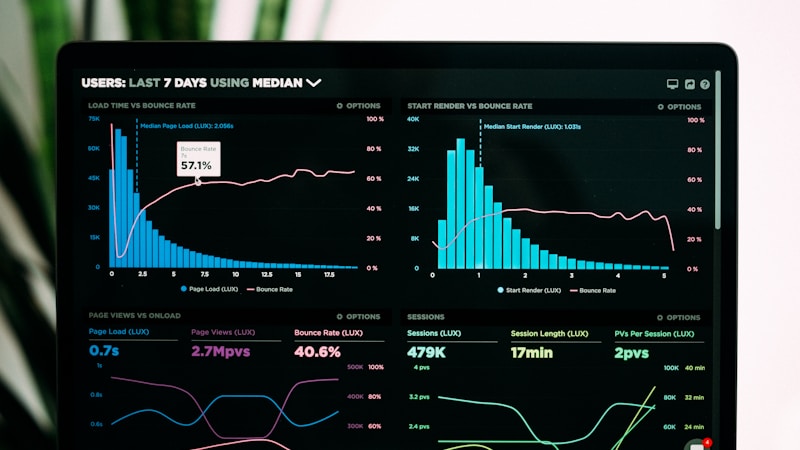
Most TikTok creators check their analytics. Few know what the numbers actually mean or how to use them.
Understanding TikTok analytics is the difference between posting blindly and posting strategically. When you know which metrics matter—and why—you can improve systematically instead of hoping for luck.
This guide breaks down every metric that matters, what benchmarks to aim for, and how to use data to grow faster.
How to Access TikTok Analytics
Before diving into metrics, make sure you have access:
- Go to your Profile
- Tap the three lines (menu) in the top right
- Select "Creator tools"
- Tap "Analytics"
You need a Creator or Business account for full analytics. If you have a personal account, switch in Settings → Account → Switch to Creator Account.
The Metrics Hierarchy: What Actually Matters
Not all metrics are equal. Here's how to prioritize:
Tier 1: Critical Metrics (Check Daily)
Watch Time / Average Watch Time
What it measures: How long viewers watch before scrolling away.
Why it matters: TikTok's algorithm prioritizes videos that hold attention. Average watch time directly correlates with how far your video gets distributed.
Benchmark: Aim for at least 50% of video length. For a 60-second video, that's 30+ seconds average watch time.
Completion Rate
What it measures: Percentage of viewers who watch to the end.
Why it matters: In 2026, completion rate is the single most important metric for algorithmic distribution. Videos with 75%+ completion rates receive significantly more promotion.
Benchmark:
- Below 40%: Needs improvement
- 40-60%: Average
- 60-75%: Good
- 75%+: Excellent viral potential
Engagement Rate
What it measures: (Likes + Comments + Shares) / Views × 100
Why it matters: Engagement signals that content resonated, not just that people watched.
Benchmark:
- Below 3%: Needs improvement
- 3-5%: Average for TikTok
- 5-8%: Strong performance
- 8%+: Exceptional engagement
Tier 2: Important Metrics (Check Weekly)
Shares
What it measures: How many people sent your video to others.
Why it matters: Shares are TikTok's strongest engagement signal. They indicate content good enough to pass along—the highest form of endorsement.
Context: Even a few shares on a video with modest views signals quality content.
Saves
What it measures: How many people bookmarked your video.
Why it matters: Saves indicate lasting value—content people want to revisit. This is especially important for educational or how-to content.
Benchmark: A save rate (saves/views) above 1% is strong for most content types.
Profile Views
What it measures: How many people clicked through to your profile after watching.
Why it matters: Profile views indicate interest beyond a single video. These viewers are potential followers.
Context: Track profile views alongside follower growth. High profile views but low follower conversion means your profile needs optimization.
Follower Growth (Net)
What it measures: New followers minus unfollowers.
Why it matters: Net growth shows whether your content strategy is building or shrinking your audience.
Benchmark: Any positive net growth is good. Aim for consistent weekly increases.
Tier 3: Context Metrics (Check Monthly)
Traffic Sources
What it measures: Where your views come from—For You Page, Following feed, Profile, Search, Sounds, etc.
Why it matters: Understanding traffic sources reveals how the algorithm is treating you.
What to look for:
- High FYP percentage (50%+) means the algorithm is actively promoting you
- Growing Search traffic means your SEO is working
- High Following percentage means your existing audience is engaged
Audience Demographics
What it measures: Age, gender, location, and active times of your viewers.
Why it matters: Demographics help you tailor content and understand who's actually watching versus who you think is watching.
How to use it: If 70% of your audience is 25-34 women, but you thought you were targeting men 18-24, your content or strategy needs adjustment.
Peak Activity Times
What it measures: When your followers are most active on TikTok.
Why it matters: Posting when followers are active can boost initial engagement velocity, though this matters less than content quality.
Note: Peak times are usually 6-9 PM local time for most audiences.
Understanding Video-Level Analytics
For each video, TikTok provides specific data:
Retention Graph
The most valuable video-level metric. This graph shows exactly where viewers dropped off.
How to read it:
- Steep early drop = Weak hook
- Gradual decline = Normal viewing pattern
- Sharp mid-video drop = Specific moment lost attention
- Flat line near end = Strong retention throughout
Action: For every video, identify the steepest drop-off point. What happened there? Fix that pattern in future videos.
View Velocity
How quickly your video accumulated views after posting.
How to interpret:
- Rapid early growth = Algorithm testing broadly
- Slow start, later spike = Algorithm found the right audience
- Flat line = Video didn't pass initial test phase
Engagement Breakdown
See exact counts for likes, comments, shares, and saves.
What to look for:
- High comments relative to likes = Content sparked conversation
- High shares = Content worth passing along
- High saves = Content has lasting value
Analytics Red Flags to Watch For
Certain patterns indicate problems:
Declining completion rates over time
Your content quality or relevance may be dropping. Return to what worked before.
High views but low engagement
The algorithm is testing your content, but viewers aren't responding. Your hooks might be better than your content.
High profile views but low follower conversion
Your videos attract interest, but your profile doesn't convert. Optimize your bio, pinned videos, and overall profile clarity.
Followers increasing but engagement decreasing
You may be attracting the wrong audience. Review what content brought in recent followers and whether it aligns with your core content.
Search traffic dropping
Your SEO may need refreshing, or competitors are outranking you. Update older content strategies.
How to Use Analytics to Improve
Data without action is useless. Here's a systematic approach:
Weekly Analytics Routine (15 minutes)
- Review top performers: What do your best videos this week have in common?
- Study retention graphs: Where are viewers dropping off? What can you fix?
- Check follower growth: Positive or negative? What might explain the trend?
- Note engagement patterns: Which content types generate comments vs. saves vs. shares?
- Document insights: Keep a simple log of what you learn each week.
Monthly Analytics Deep Dive (30 minutes)
- Compare to previous month: Are key metrics improving?
- Analyze traffic sources: Any shifts in how people find you?
- Review demographics: Is your audience evolving?
- Identify patterns: What topics/formats consistently perform?
- Set goals: Based on data, what should you focus on next month?
Quarterly Content Strategy Review
- Rank all content by performance: What are your top 10 videos?
- Find common threads: Hook types? Topics? Formats? Lengths?
- Kill what doesn't work: What content types consistently underperform?
- Double down on winners: Plan more content in proven formats.
- Test strategically: Allocate 10-20% of content to experiments.
Analytics by Content Goal
Different goals require focusing on different metrics:
If Your Goal Is: Viral Reach
Primary metrics: Completion rate, shares, watch time
Strategy: Optimize hooks aggressively. Create content worth sharing. Study retention graphs for every video.
If Your Goal Is: Follower Growth
Primary metrics: Profile views, follower conversion rate, net follower growth
Strategy: Include clear CTAs. Optimize your profile. Create series that bring viewers back.
If Your Goal Is: Monetization Readiness
Primary metrics: Watch time on 60+ second videos, engagement rate, follower count milestones
Strategy: Focus on longer content. Build engagement habits. Track progress toward Creator Rewards requirements.
If Your Goal Is: Brand Deals
Primary metrics: Engagement rate, audience demographics, completion rate
Strategy: Brands want engaged audiences, not just big numbers. A 5% engagement rate is more valuable than 1% with more followers.
If Your Goal Is: Product Sales
Primary metrics: Profile clicks, link clicks, saves (especially on product-related content)
Strategy: Track which content drives profile visits. A/B test different product presentation styles.
Common Analytics Mistakes
Checking too often
Daily vanity checks create anxiety without insight. Check meaningful metrics weekly; resist the urge to refresh constantly.
Focusing on vanity metrics
Follower count and total views matter less than engagement rate and completion rate. High-performing creators know this.
Comparing to others
Your analytics journey is yours. A 5% engagement rate is excellent regardless of what someone else has.
Ignoring negative trends
It's easy to focus on what's working and ignore what isn't. Declining metrics are opportunities to improve.
Not documenting insights
Without records, you'll forget what you learned. Keep a simple notes document tracking weekly observations.
TikTok Analytics vs. Third-Party Tools
TikTok's built-in analytics are sufficient for most creators. Third-party tools add value for:
Competitor analysis: See what's working for others in your niche.
Historical data: TikTok only shows recent data; tools can track longer periods.
Cross-platform comparison: If you're on multiple platforms, consolidated dashboards help.
Reporting: For brand deals or team collaboration, formatted reports are useful.
For beginners, master TikTok's native analytics before adding tools.
Your Analytics Action Plan
This week:
- Access your TikTok analytics
- Check completion rates on your last 5 videos
- Review retention graphs for your best and worst performers
- Note one insight to apply to your next video
This month:
- Establish your baseline metrics
- Set up a weekly review routine
- Document patterns in a simple notes file
- Identify one metric to focus on improving
Ongoing:
- Let data guide content decisions
- Test hypotheses based on analytics
- Review and adjust quarterly
- Focus on trends, not individual video fluctuations
Turn Data Into Growth
Analytics transform TikTok from guessing game to strategic platform. The creators who grow fastest aren't lucky—they're data-informed.
Start measuring what matters. Adjust based on what you learn. Iterate continuously.
Need help understanding what's working in your niche? Our AI tools analyze top-performing content and help you apply those insights to your own strategy. Get started free.
Want more TikTok tips?
Get access to our full course and AI tools to accelerate your growth.
Explore the course